Having A Plan

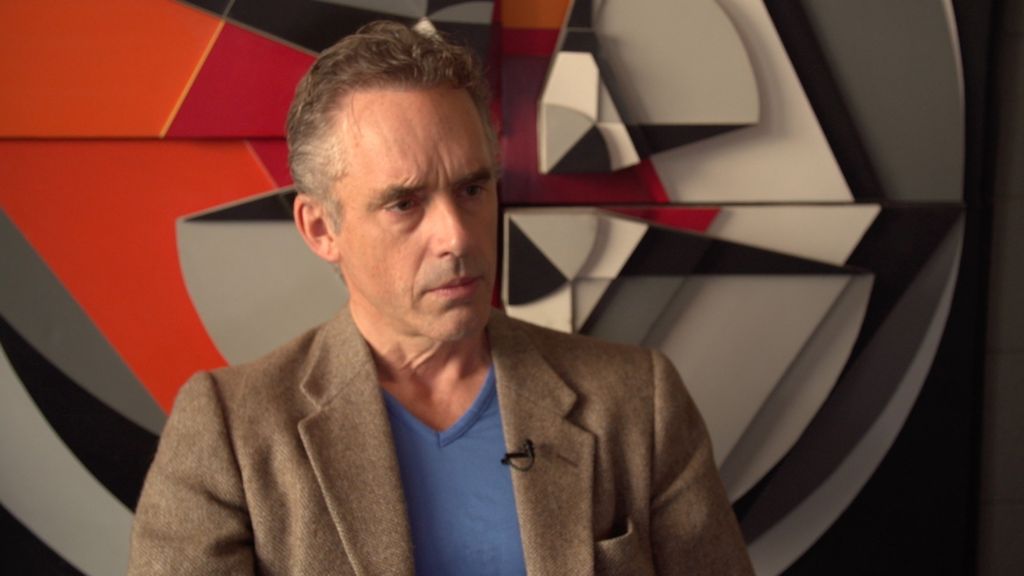
Over the last few weeks I’ve been feeling good. I put this down to Jordan Peterson, who has taught me how important it is to have a plan in place: not so much a destination as a set of stages that need to be met in order to get there. The destination is secondary, what matters most – in terms of well-being – is that you are striving to get to it.

His shorthand for this is that humans are “goal orientated.” In other words, they find a  position in the world through reference to an object that is elsewhere, in this case and object that is located in the future. Without this in place, a human doesn’t know where to position itself. So I have begun to place goals in front of me.

He also insists on the importance of structure and routine, so I have begun to put structures and routines in place. For instance, a new structure that I’ve placed myself in is that of the public library. I volunteer there at least once a week, now. Their reliance on volunteers forces me to get up on my days off. I couldn’t create this structure on my own.

People who are highly self-motivated might need much less structure, but I find that I need a lot if I’m going to get out of bed in the morning. I’ve learned, basically, that in order to feel good, I need to be busy, and that, in order to be busy, it isn’t enough for me to just “think of things to do.” No, I need to place myself inside structures, I need to take on some responsibility.

When I move to London in September, I’m going to redo Peterson’s future authoring programme in order to reevaluate my goal orientation and work out which structures and routines I would benefit from placing myself in.

The Dragon’s Lair

On Sunday I set off to work five minutes earlier than normal. Everything felt under control. I was putting into practice Jordan Peterson’s advice – confront things before they confront you.

According to Peterson, this is an ancient bit of wisdom (which is borne out in modern psychology) that has cropped up and been realised in stories for as far back as we can look. It’s basically a hero narrative. The hero, in order to be a hero, must confront his fear before it confronts him. The result is something highly beneficial: treasure in tangible or mental form. He often cites Bilbo Baggins as a quintessential hero of this sort.

It’s a simple truth, really. In fact, most of what Peterson says seems simple and obvious once he says it. Anyhow, it’s a great piece of advice to put into practice. I have a better working day when I confront Smaug head on.

What I’m doing here

Primarily I’m writing this blog in order to get better at writing and better at speaking about the world as I see it.

Jordan Peterson, a laudable defender of freedom of speech has recently argued – while students attempted to no-platform him at McMaster University – that “there’s nothing more powerful than someone who’s articulate”.

I think I’ve understood this for a long time. People understand it without knowing – it’s why we are impressed by certain speakers even if we disagree with them and, indeed, it’s why an extremely articulate speaker like Peterson is so vigorously protested by those who disagree with him. Because he is fluent, confident, prepared and civilised, he is identified by those who disagree with him as a particularly potent threat.

If you can’t solve things by speaking there are only two other options: one is violence and the other is submission. I am not a naturally violent person, therefore it seems to me that if I don’t speak I will become submissive.

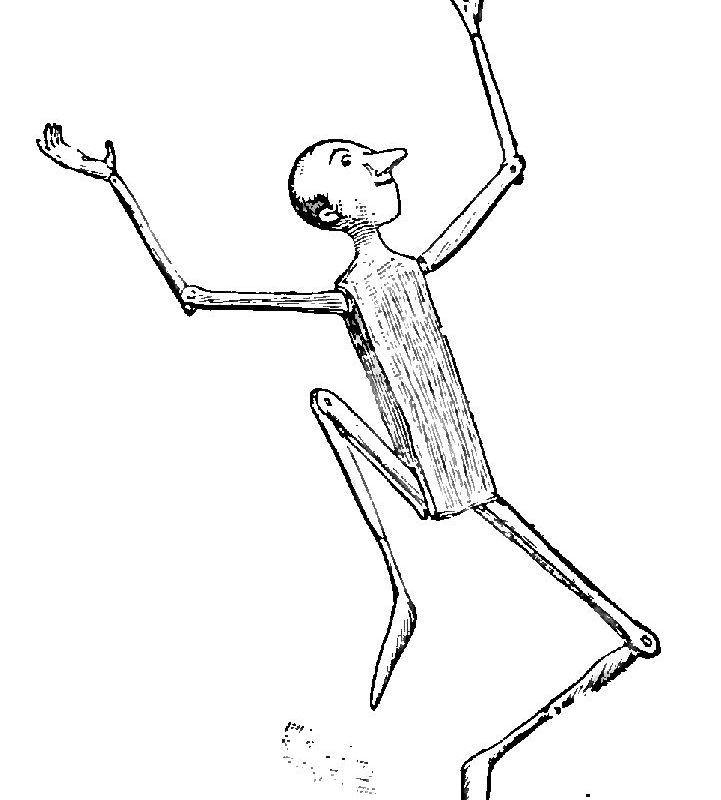
By this, I mean that I will surrender my own voice and let others speak for me. I will be, in Peterson’s terminology, a marionette, a Pinocchio.

I’d rather be a real boy.

Peterson at McMaster University: https://www.youtube.com/watch?v=-1P_1mLlJik. The quotation is from around 42:00.

Peterson lecturing about marionettes and individuals: https://www.youtube.com/watch?v=EN2lyN7rM4E&list=PL22J3VaeABQAT-0aSPq-OKOpQlHyR4k5h&index=7